Common Mistakes in Subscription Billing Architecture
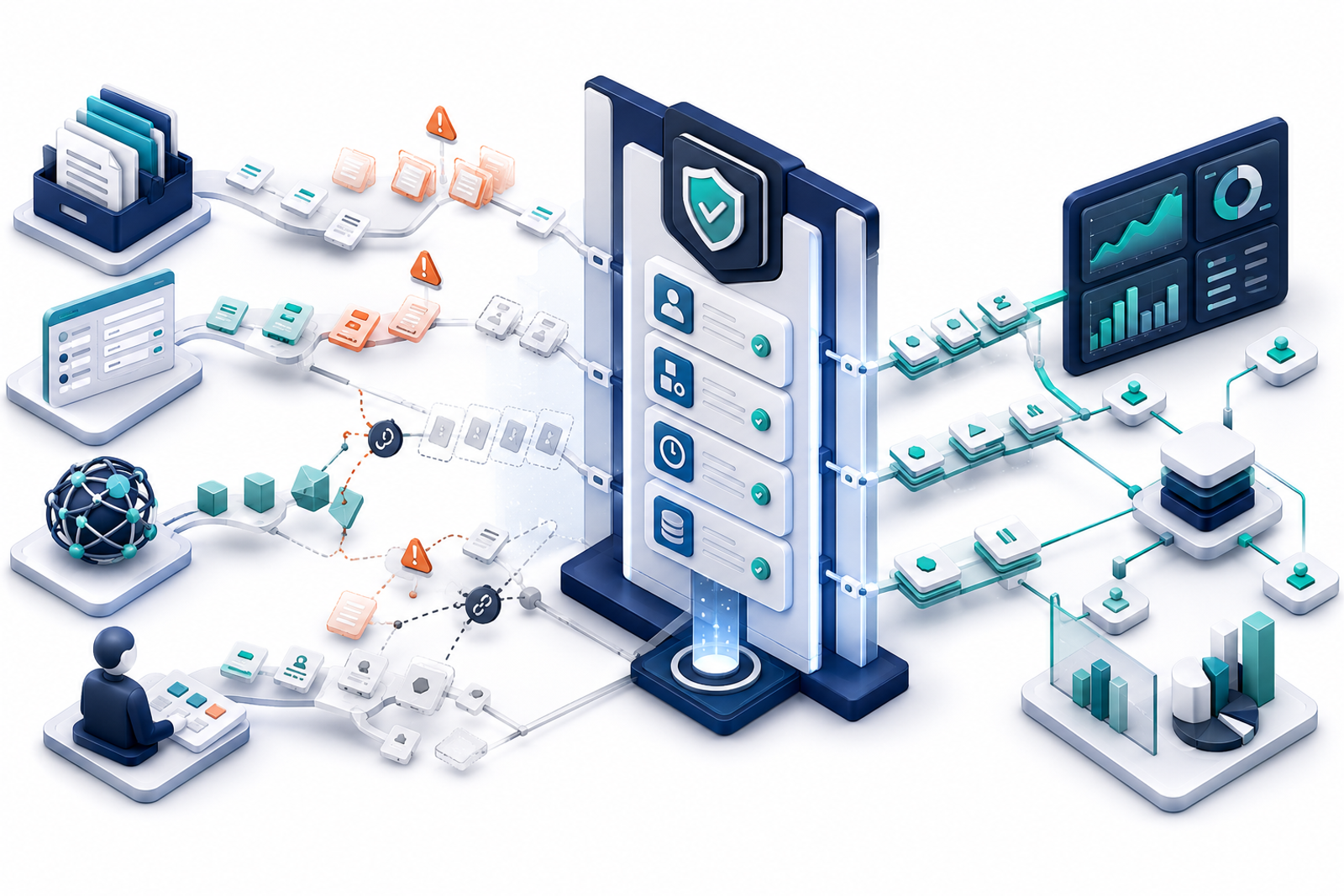
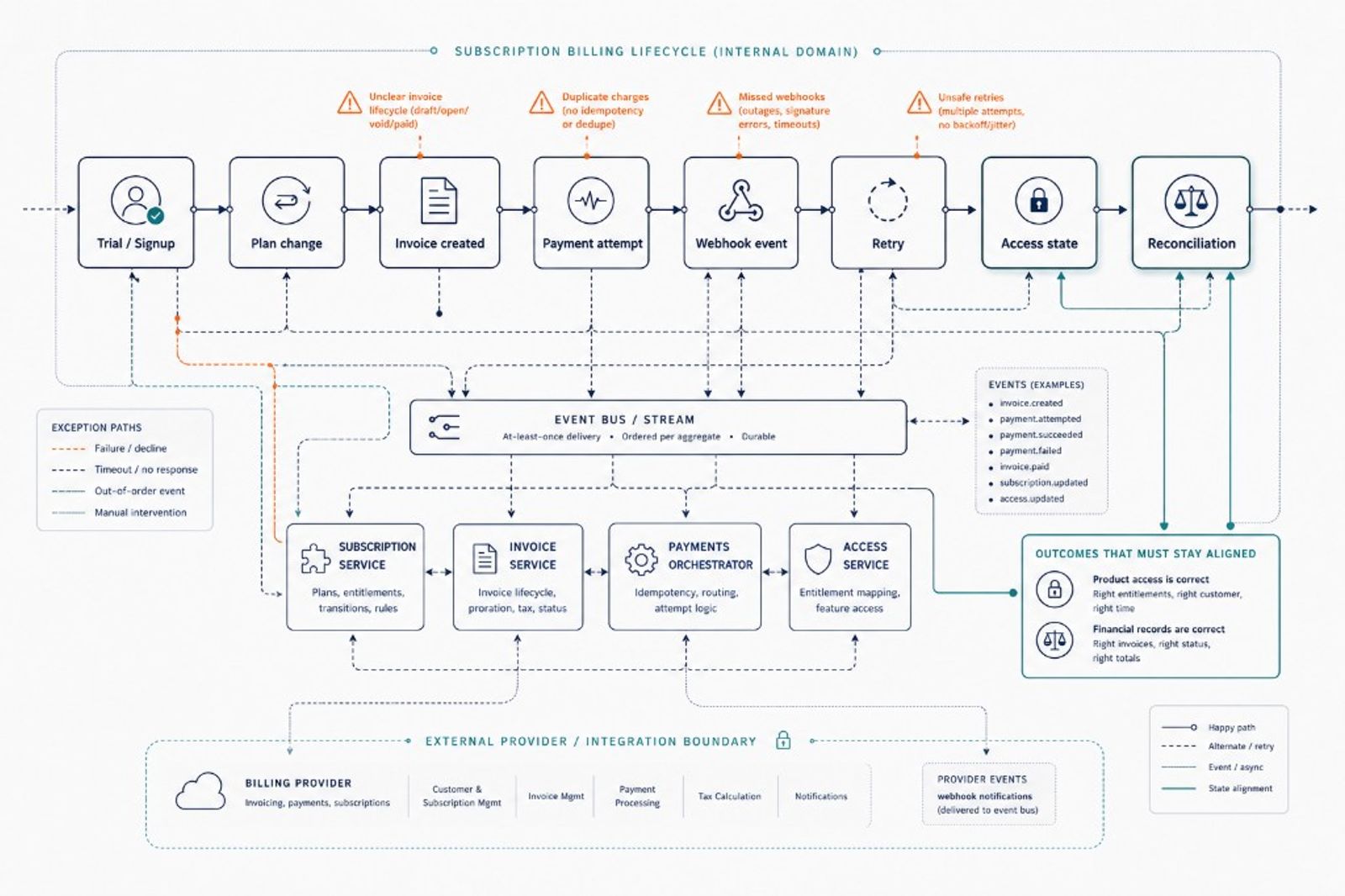
Subscription billing gets risky when duplicate charges, webhook handling, retries, and invoice lifecycle rules are not designed as one system.
Insights
Legacy-system articles are preserved here with continuity-safe routing so existing reference links can keep working while the Insights system moves toward a cleaner long-term structure. The focus stays on backend risk, modernization, and decision quality under real production stakes.
Current coverage
Legacy modernization without big-bang rewrite risk.
Migration strategy shaped by observability, compatibility, and operational continuity.
Writing that supports founder sales conversations without drifting into generic agency content.

Subscription billing gets risky when duplicate charges, webhook handling, retries, and invoice lifecycle rules are not designed as one system.

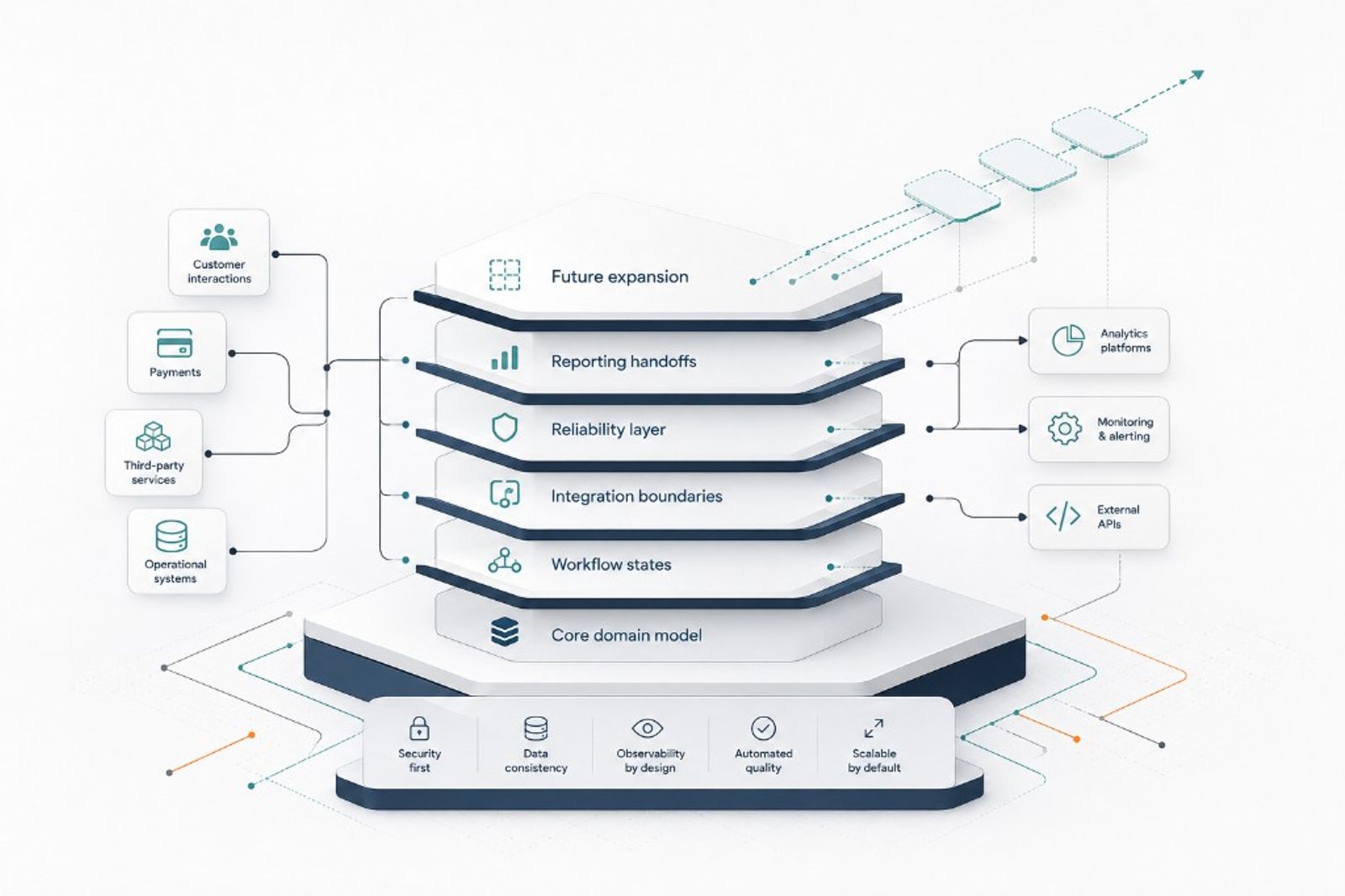
Long-lived business platforms survive by making maintainability, scalability, reliability, and integrations part of the architecture from the beginning.

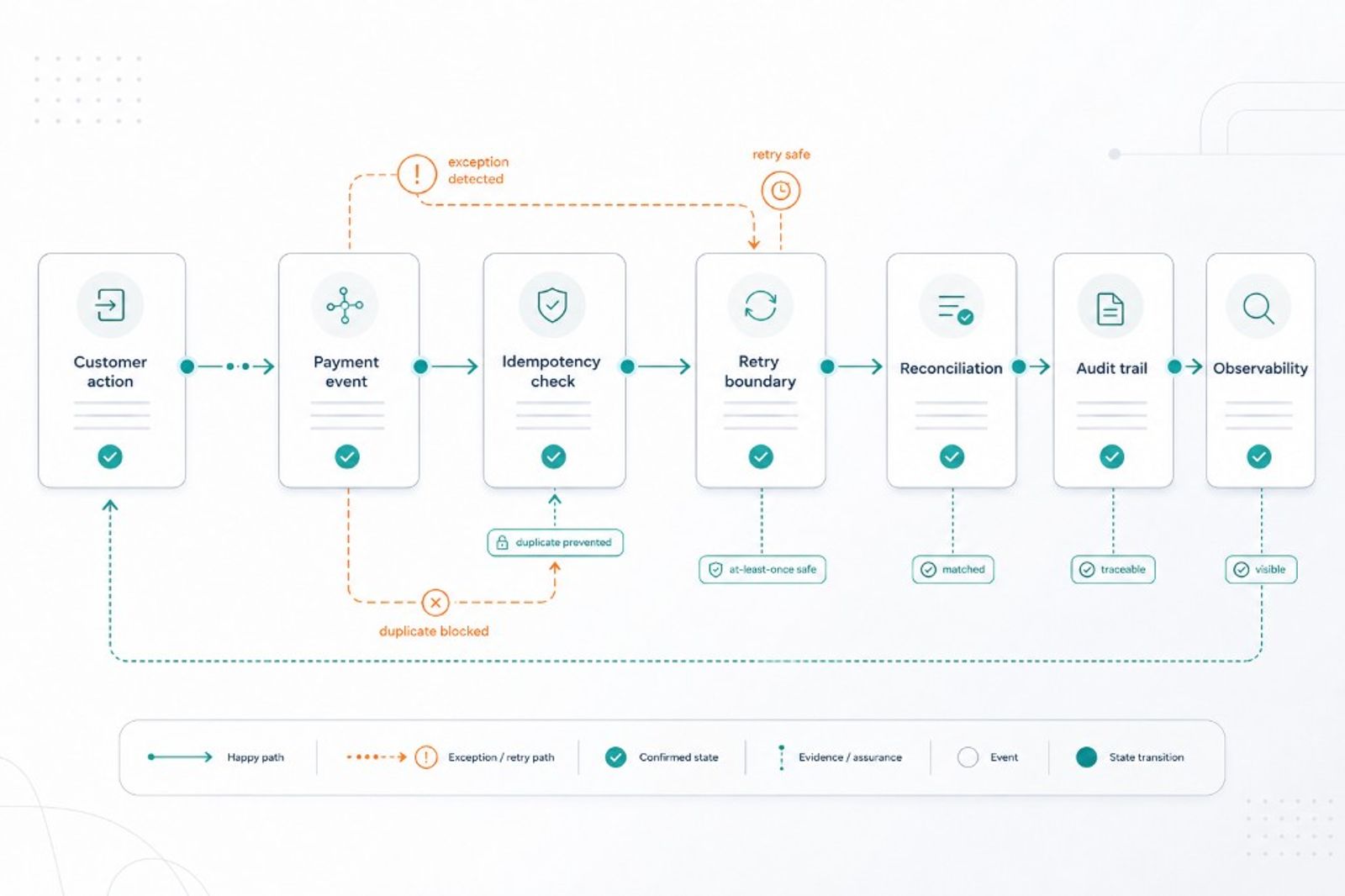
Payment systems fail when retries, webhooks, reconciliation, and auditability are treated as cleanup work instead of core system design.

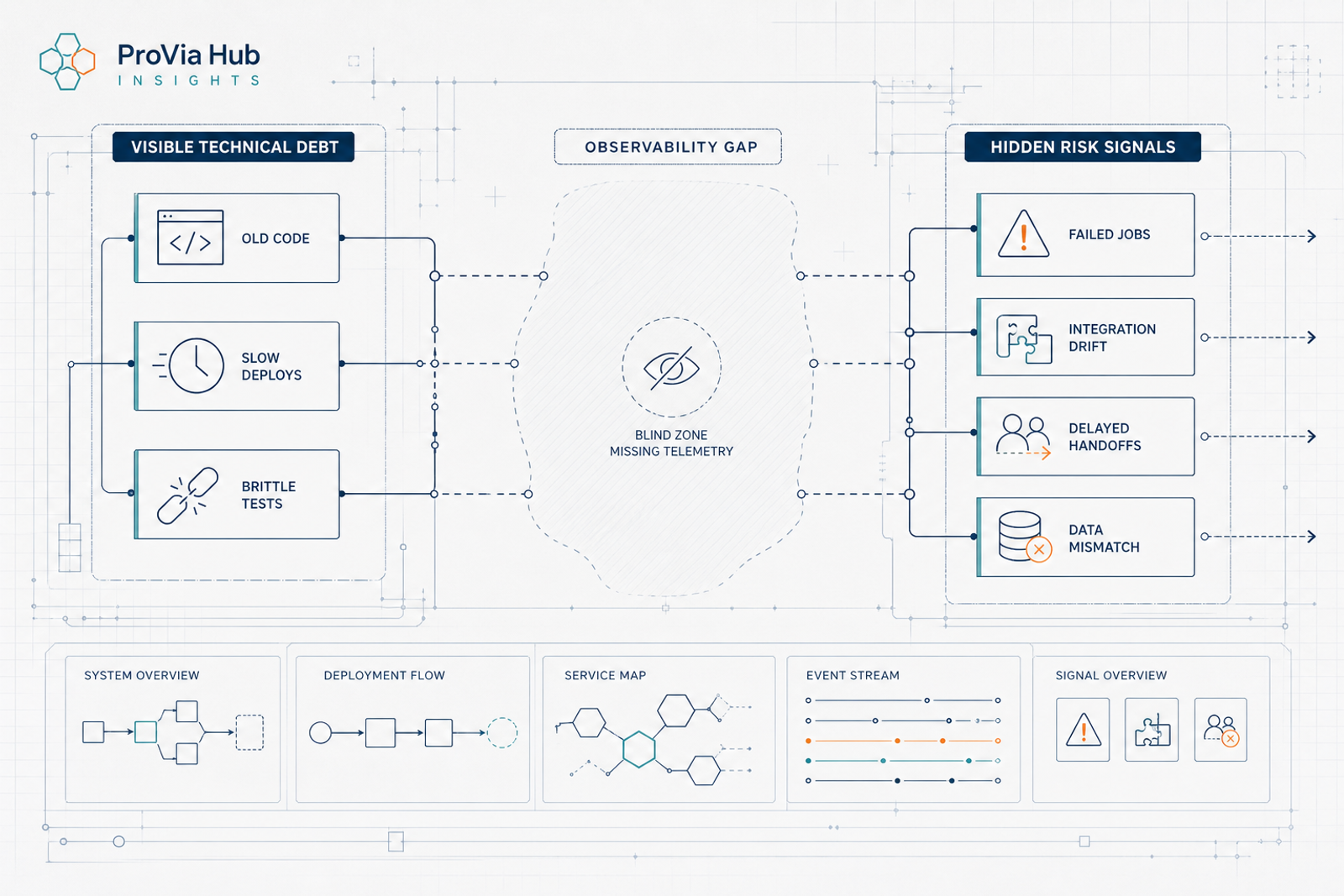
Technical debt is visible, but observability gaps hide the production and workflow risks that often cost teams more. Here is how to spot the difference.

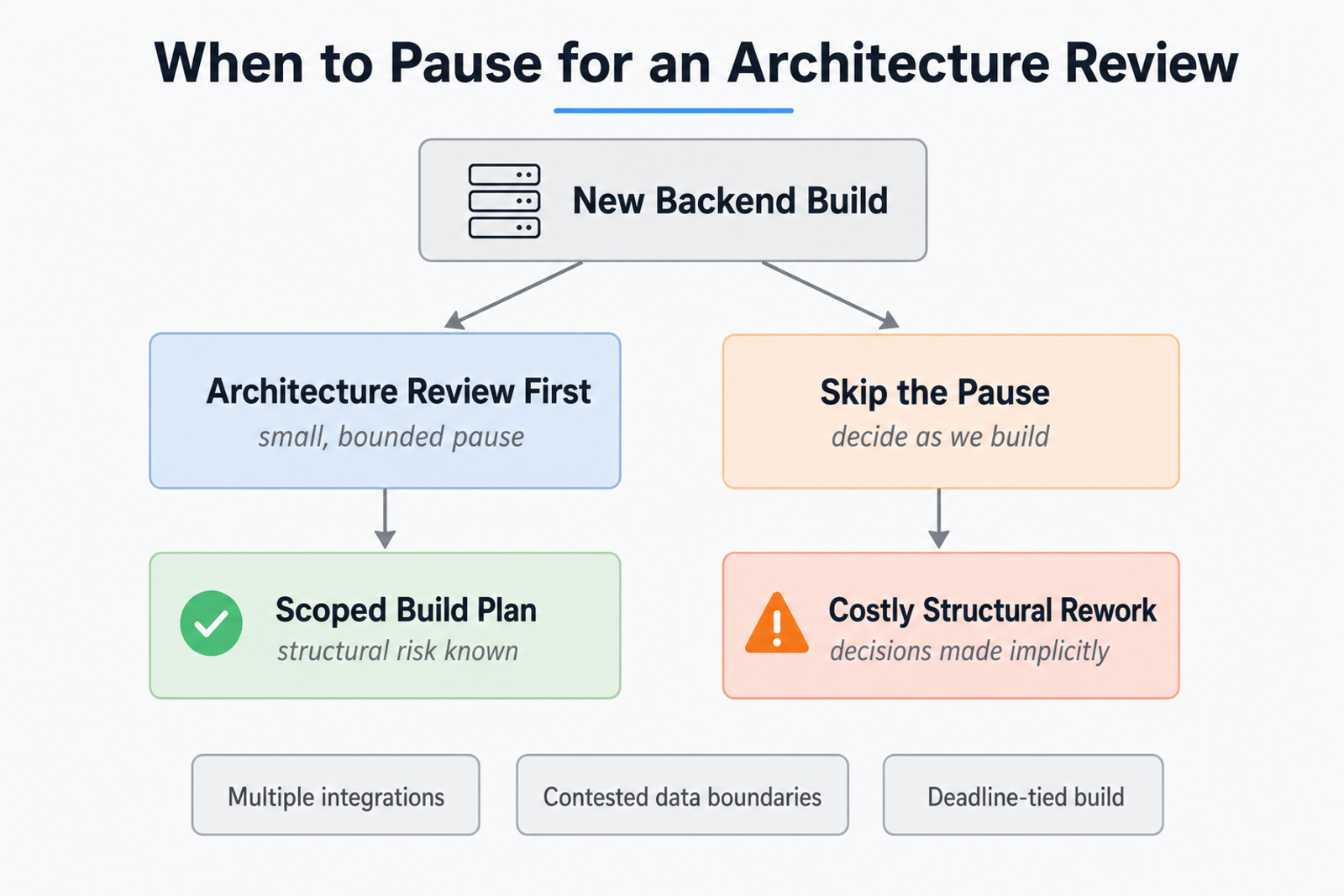
Most backend build mistakes are not coding mistakes. They are architecture decisions made implicitly. Here is how to tell if your next build needs a structured review first.

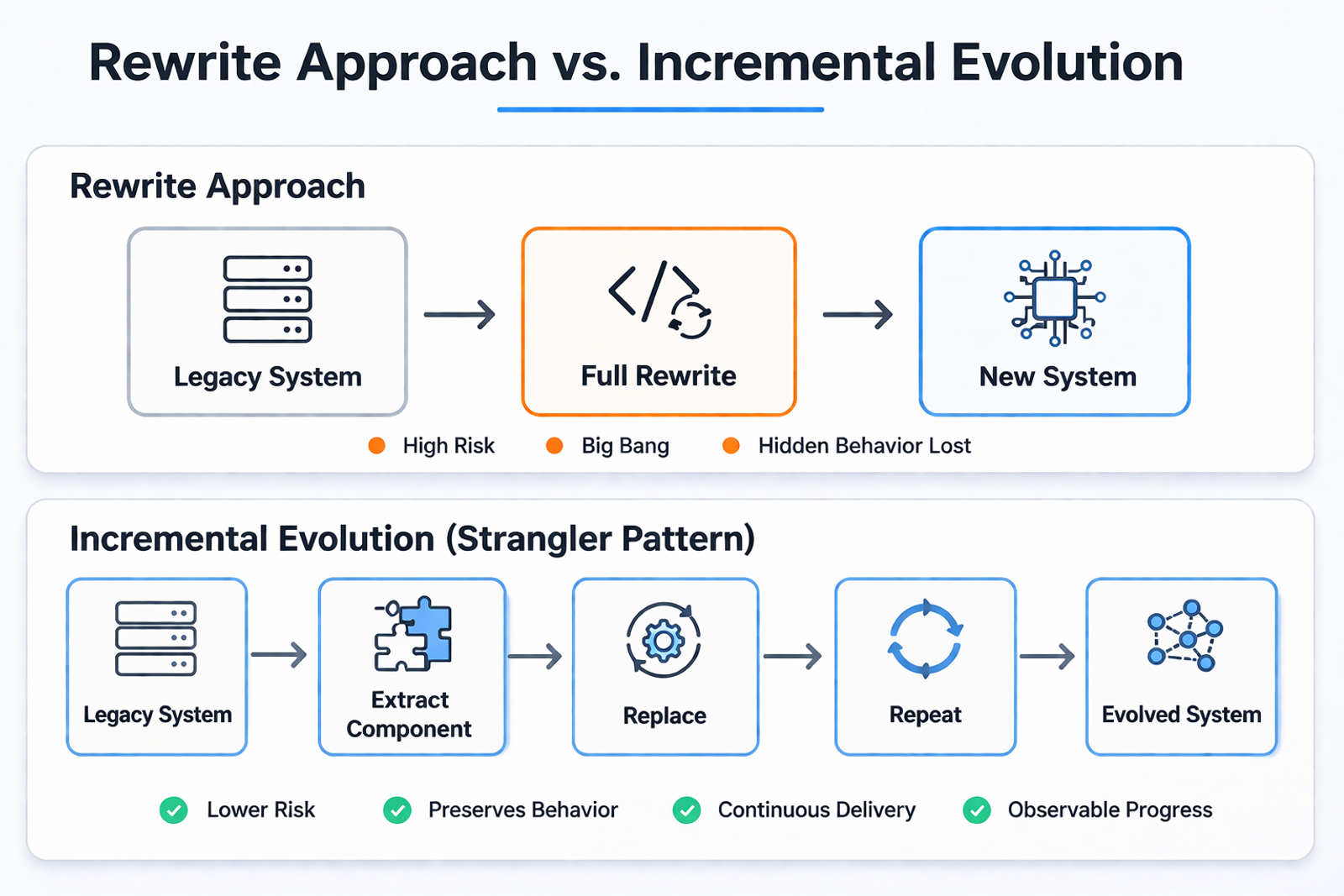
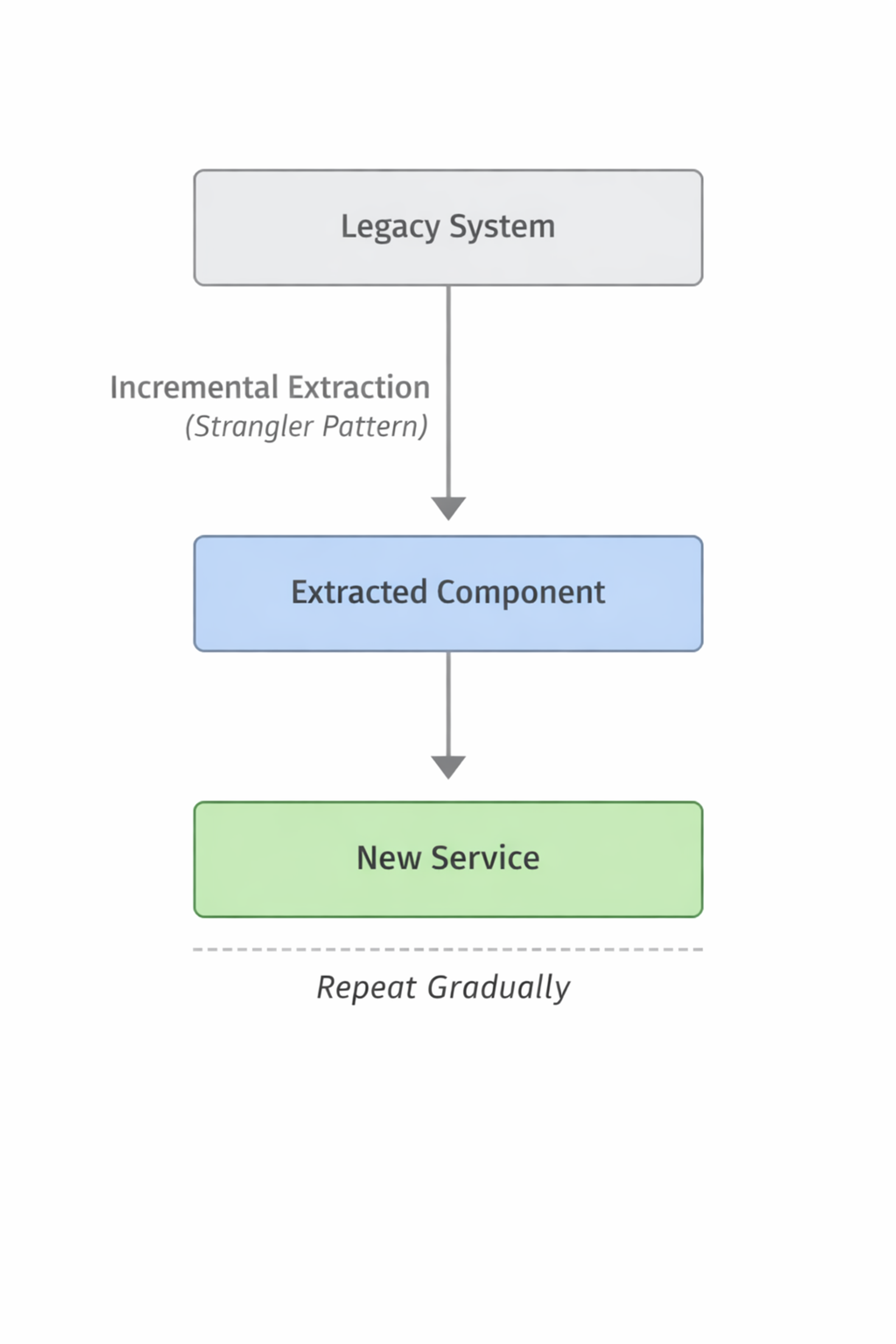
Most backend rewrites fail because they ignore hidden production behavior. Here is why incremental evolution is often the safer path for legacy system modernization.

Legacy system migration is one of the hardest engineering challenges. Learn why most modernization projects fail and how strong teams migrate production systems more safely.